Source Inflatable Baseball Batting Cage for Park, Amusement, Training
Explore 30 listings for the inflatable baseball batting cage, comparing features like Tarpaulin material, CE certification, and customization options. Buyers can evaluate specifications including size, weight, and included blowers from suppliers in Guangzhou, China.
Key considerations
Products List


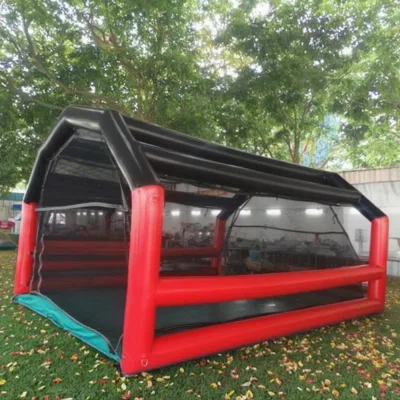

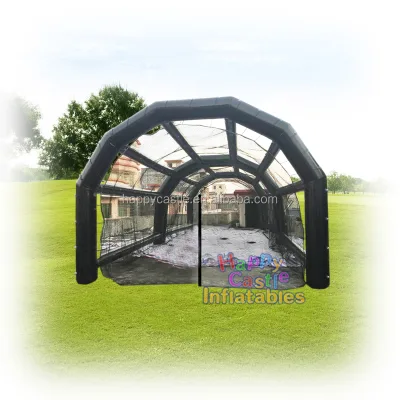
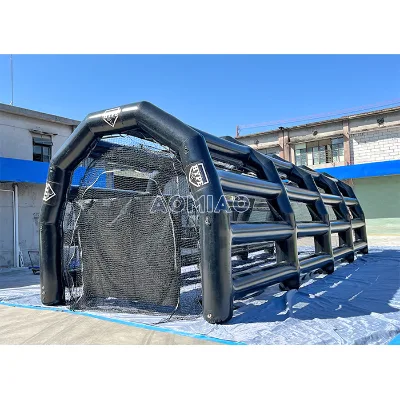
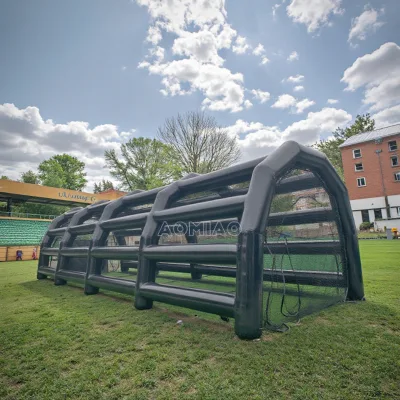
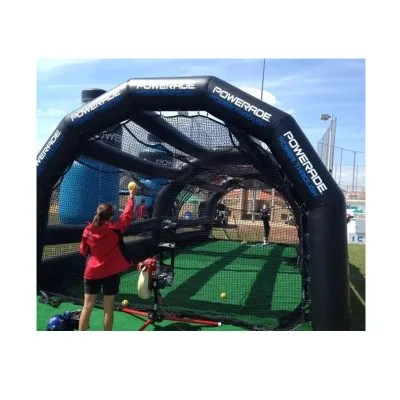
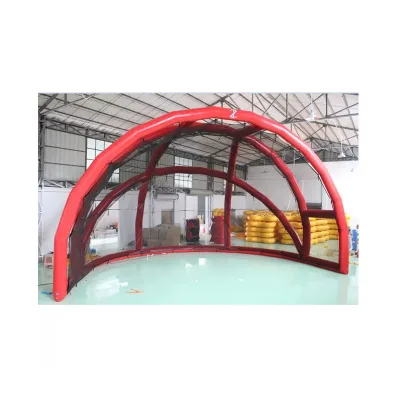


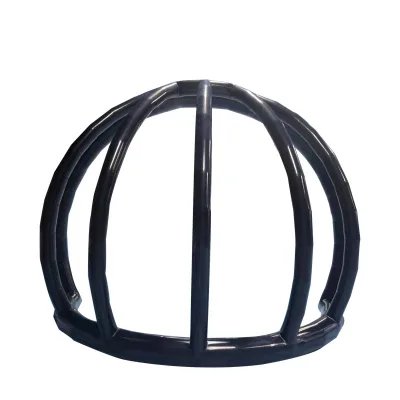
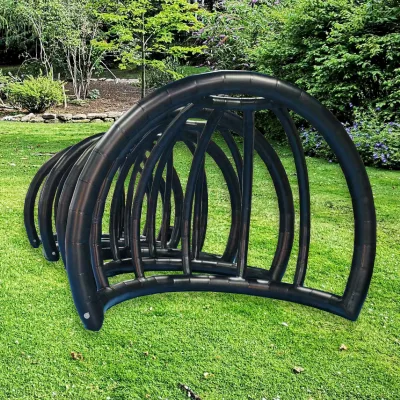


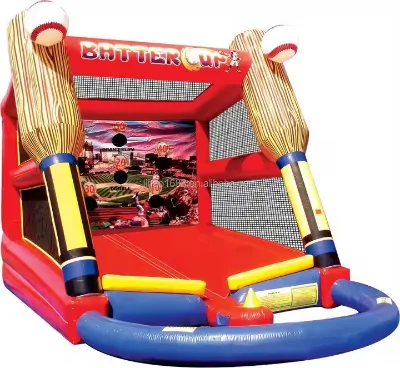
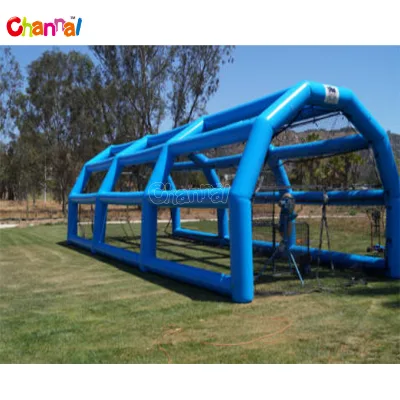


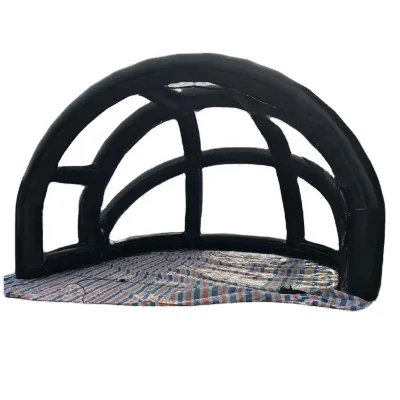
Comprehensive Sourcing Guide
Strategic Sourcing Guide for Inflatable Baseball Batting Cages
Understanding Technical Specifications and Material Integrity
When evaluating inflatable baseball batting cages for commercial or institutional procurement, the primary focus must be on the structural integrity and material composition that ensure safety and durability. The core product category relies heavily on high-grade materials, specifically Tarpaulin or PVC (Polyvinyl Chloride), which are selected for their resistance to environmental stressors. The observed market data indicates a fabric thickness of 0.55mm, a critical specification that directly correlates with the product's ability to withstand repeated impact from baseballs and the tension required to maintain the cage's shape during inflation.
Buyers must verify that the material possesses specific functional attributes, including waterproofing, corrosion resistance, and tear resistance. These properties are essential for outdoor installations where exposure to rain, humidity, and varying temperatures is inevitable. The craftsmanship method, typically heat sealing, is another vital technical factor. This process ensures that seams are airtight and robust, preventing leaks that could compromise the inflation state. The standard dimensions observed in the market often range from 12 meters by 3.66 meters by 3.66 meters, though customization is a prevalent feature allowing for tailored sizes to fit specific venue constraints.
The inflation mechanism is another technical component requiring attention. Most units utilize an electric air pump, which is included in the product package. The system is designed for easy setup, a feature that reduces labor costs and operational downtime during event deployment. The weight of the unit is a significant logistical consideration; observed ranges vary from 100 to 199 kilograms depending on the size and customization level. This weight impacts shipping costs and the equipment required for on-site handling. Furthermore, the shape is typically a tunnel design with double-door configurations to facilitate player entry and exit while maintaining internal pressure.
Compliance, Certification, and Safety Standards
In the realm of B2B procurement for amusement and sports equipment, compliance with international safety standards is non-negotiable. The inflatable baseball batting cage market demonstrates a high level of adherence to regulatory requirements, with certifications such as CE (Conformité Européenne) and EN (European Norms) being standard. These certifications indicate that the product meets specific safety, health, and environmental protection requirements for the European market. Additionally, ASTM (American Society for Testing and Materials) certifications are frequently cited, ensuring that the materials and construction methods align with North American safety benchmarks.
Buyers must treat these certifications as verified attributes rather than marketing claims. The presence of CE and EN marks suggests that the product has undergone rigorous testing for structural stability and material safety. When sourcing from Guangzhou, China, or other manufacturing hubs, it is imperative to request current certification documents to confirm that the specific batch of goods being purchased holds valid status. The standard production specifications often reference compliance with 10-meter or customized standards, which implies that the structural design is engineered to meet specific load-bearing and safety thresholds.
Beyond physical certifications, the operational safety of the cage relies on the inclusion of essential accessories. A repair kit and a PVC bag for storage are standard inclusions, ensuring that minor damages can be addressed immediately without taking the unit out of service for extended periods. The warranty period, typically observed as one year, serves as a manufacturer's guarantee of quality. However, buyers should scrutinize the terms of this warranty to understand what constitutes a valid claim, particularly regarding wear and tear versus manufacturing defects. The payment terms, often structured as T/T (Telegraphic Transfer) or Western Union, should be reviewed in conjunction with the warranty to ensure financial protection in case of non-compliance.
Cost Drivers and Pricing Variables
The pricing structure for inflatable baseball batting cages is dynamic and influenced by several distinct variables. The observed price range in the market spans from $0.15 to $2,350, a wide disparity that reflects differences in size, material quality, customization complexity, and order volume. It is crucial for buyers to understand that the lower end of this spectrum often corresponds to smaller, standard units with minimal customization, while the higher end reflects large-scale, custom-designed installations with premium materials.
Material thickness is a primary cost driver. The 0.55mm fabric thickness mentioned in product specifications represents a baseline for durability; any deviation towards thicker materials will increase the unit cost significantly. Customization is another major factor. While the market offers standard sizes, the ability to customize size, color, and design adds to the production time and cost. The "Customized" attribute is prevalent, allowing buyers to incorporate specific branding or unique structural requirements, but this flexibility comes with a price premium.
Order volume plays a pivotal role in determining the final unit price. The Minimum Order Quantity (MOQ) varies widely, ranging from 1 set or 1 piece for custom orders to 5,000 units for bulk commercial procurement. Buyers purchasing single units or small batches should anticipate higher per-unit costs compared to those placing large orders. Additionally, the production time, typically cited as 7 to 15 days, can influence pricing if expedited manufacturing is required. Shipping costs, which depend on the chosen method (by sea, by air, or by express), also contribute to the total landed cost. Sea freight is generally the most economical for heavy units weighing up to 199 kilograms, while air or express shipping is reserved for urgent deliveries but incurs significantly higher fees.
Typical Applications and Usage Scenarios
The versatility of inflatable baseball batting cages makes them suitable for a diverse array of applications, ranging from professional training facilities to community recreational events. The primary usage scenarios identified include parks, amusement parks, markets, kindergartens, and community centers. This broad applicability stems from the product's ability to provide a controlled, safe environment for baseball training and games. The "Baseball Game" and "Training" usage tags highlight the product's utility in developing athletic skills in a low-risk setting.
For commercial operators, the cage serves as a revenue-generating asset in amusement parks and seasonal markets. The "Environmental" and "Corrosion" resistant features make it ideal for outdoor events where weather conditions can be unpredictable. The double-door design and tunnel shape facilitate high traffic flow, which is essential for busy amusement venues. In educational settings like kindergartens and schools, the inflatable cage offers a safe way to introduce children to baseball fundamentals without the hazards associated with traditional batting cages. The "Adults" age specification suggests that larger models are also designed for professional or adult recreational use, catering to a wide demographic.
The "Suitable Occasions" attribute, which includes outdoor events, further underscores the product's adaptability. Whether for a local sports festival, a corporate team-building event, or a permanent installation in a public park, the inflatable batting cage provides a portable and engaging solution. The ability to customize the logo and design allows organizations to brand the equipment for specific events, enhancing visibility and marketing potential. This flexibility ensures that the product can be integrated into various operational models, from temporary pop-up events to long-term facility installations.
Supplier Evaluation and Quality Control Protocols
Selecting the right supplier is a critical step in the procurement process, requiring a rigorous evaluation of their capabilities, reputation, and quality control measures. Buyers should prioritize suppliers who demonstrate transparency in their production processes and are willing to provide detailed documentation regarding material sourcing and manufacturing standards. The origin of the product, often Guangzhou, China, indicates a manufacturing hub with established infrastructure for inflatable goods, but buyers must verify the specific factory's capacity and track record.
Quality control should be a central component of the supplier evaluation. Buyers must request evidence of the heat sealing craftsmanship and verify the integrity of the PVC or Tarpaulin materials. The inclusion of a repair kit and the provision of a one-year warranty are indicators of a supplier's confidence in their product's durability. However, these should be supplemented with third-party inspection reports or factory audit results to ensure consistent quality across batches. The production time of 7 to 15 days suggests a streamlined process, but buyers should confirm that this timeline includes adequate quality assurance checks before shipment.
Communication and responsiveness are also key indicators of supplier reliability. The acceptance of OEM (Original Equipment Manufacturer) and ODM (Original Design Manufacturer) services indicates a supplier's flexibility in meeting specific buyer requirements. Buyers should assess the supplier's ability to handle custom orders, including size, color, and design modifications, without compromising on quality. The payment terms, such as T/T, should be structured to protect the buyer's interests, potentially including milestones that link payments to production progress or inspection completion.
Long-Term Procurement and Operational Considerations
Sourcing inflatable baseball batting cages involves more than just an initial purchase; it requires a long-term strategy that accounts for maintenance, logistics, and scalability. The weight of the units, ranging from 100 to 199 kilograms, necessitates careful planning for storage and transportation. Buyers should invest in high-quality storage bags, such as the PVC bags mentioned in the product specifications, to protect the equipment from dust, moisture, and physical damage during off-seasons. The inclusion of a repair kit is a proactive measure, but buyers should also consider establishing a relationship with the supplier for future replacement parts or technical support.
Scalability is another important consideration for businesses planning to expand their operations. The ability to customize the product allows for the creation of a fleet of cages with varying sizes and designs to suit different venues. However, buyers must ensure that the customization process remains consistent in quality and that the supplier can handle increased order volumes without delays. The lead time of 7 to 15 days is a baseline, but for large-scale orders, buyers should negotiate realistic timelines that account for production bottlenecks.
Finally, the total cost of ownership extends beyond the purchase price to include shipping, installation, and maintenance. The shipping methods, including sea, air, and express, offer flexibility but come with different cost implications. Buyers should calculate the total landed cost, including duties and taxes, to ensure the project remains within budget. By adopting a comprehensive approach that addresses technical specifications, compliance, cost drivers, and long-term operational needs, buyers can secure high-quality inflatable baseball batting cages that deliver value and safety for years to come.
Comparative Analysis of Product Attributes
To facilitate informed decision-making, the following table summarizes key attributes observed in the market for inflatable baseball batting cages. This comparison highlights the variations in specifications, materials, and logistical requirements that buyers should consider during the sourcing process.
| Attribute Category | Standard Observation | Customization Options | Operational Implication |
|---|---|---|---|
| Material | Tarpaulin, PVC | Custom thickness, color | Determines durability and weather resistance |
| Fabric Thickness | 0.55mm | Variable upon request | Thicker material increases cost and weight |
| Dimensions | 12m x 3.66m x 3.66m | Custom sizes available | Affects venue fit and shipping volume |
| Weight | 100-199 kg | Varies with size | Impacts handling equipment and shipping cost |
| Certification | CE, EN, ASTM | Verified per batch | Essential for safety compliance and insurance |
| MOQ | 1 Set / 1 PC | Up to 5000 units | Influences unit price and inventory strategy |
| Production Time | 7-15 Days | Expedited options available | Affects project timeline and event readiness |
| Warranty | 1 Year | Negotiable terms | Indicates manufacturer confidence in quality |
| Accessories | Repair Kit, PVC Bag | Custom branding | Reduces downtime and aids in storage |
This comparative analysis underscores the importance of aligning product specifications with specific operational needs. Buyers must carefully evaluate each attribute to ensure the selected inflatable baseball batting cage meets their safety, logistical, and financial requirements. By adhering to these guidelines, procurement professionals can navigate the complexities of the market and secure reliable, high-performance equipment for their organizations.
FAQs
What certifications do inflatable baseball batting cages have?
These units typically hold CE, EN, and ASTM certifications to ensure safety compliance. Buyers should verify current documents for specific batches, as these marks indicate adherence to European and North American safety standards for structural stability and material integrity.
How thick is the fabric used for these cages?
The fabric thickness is specified as 0.55mm to ensure durability against impact and tension. This material, often Tarpaulin or PVC, provides resistance to tears, corrosion, and environmental stressors required for long-term outdoor usage in parks and training facilities.
Can the size and design be customized for specific venues?
Yes, customization for size, color, and design is available to meet specific venue constraints. Buyers can request tailored dimensions like 12 by 3.66 meters or unique branding, though this flexibility may influence production time and unit pricing compared to standard models.
What is the typical delivery time for an order?
Production time generally ranges from 7 to 15 days depending on customization complexity. After manufacturing, shipping can be arranged via sea, air, or express methods, with total lead times varying based on the chosen logistics route and destination location.
Which payment methods are accepted for these purchases?
Standard payment terms include T/T (Telegraphic Transfer) and Western Union. Buyers should review these terms alongside warranty conditions to ensure financial protection, as these methods are commonly used for B2B transactions involving custom inflatable sports equipment.
What accessories are included with the inflatable cage?
Each unit typically includes an electric air pump, a PVC storage bag, and a repair kit. These accessories ensure easy setup, safe storage, and immediate maintenance capabilities, which are essential for maintaining the cage's inflation state and operational readiness.
How much does the product weigh for shipping purposes?
Unit weights vary between 100 and 199 kilograms depending on size and customization levels. This weight range significantly impacts shipping costs and handling requirements, making sea freight a common economical choice for heavier units destined for commercial venues.